


Wasps!
Wasps!


Joined:
X days ago
# Posts:
X,XXX
Contributor Points:
X


Wasps!
My biggest challenge this summer has been dealing with wasps getting in the house. I've checked outside, and there's not any nests on the house. But somehow, they manage to get inside. Yesterday, 2 showed up on the beam of the tall ceiling in the living room. Fortunately, the spray did reach that far. I emptied the can! But I did go get a new can for the next time. 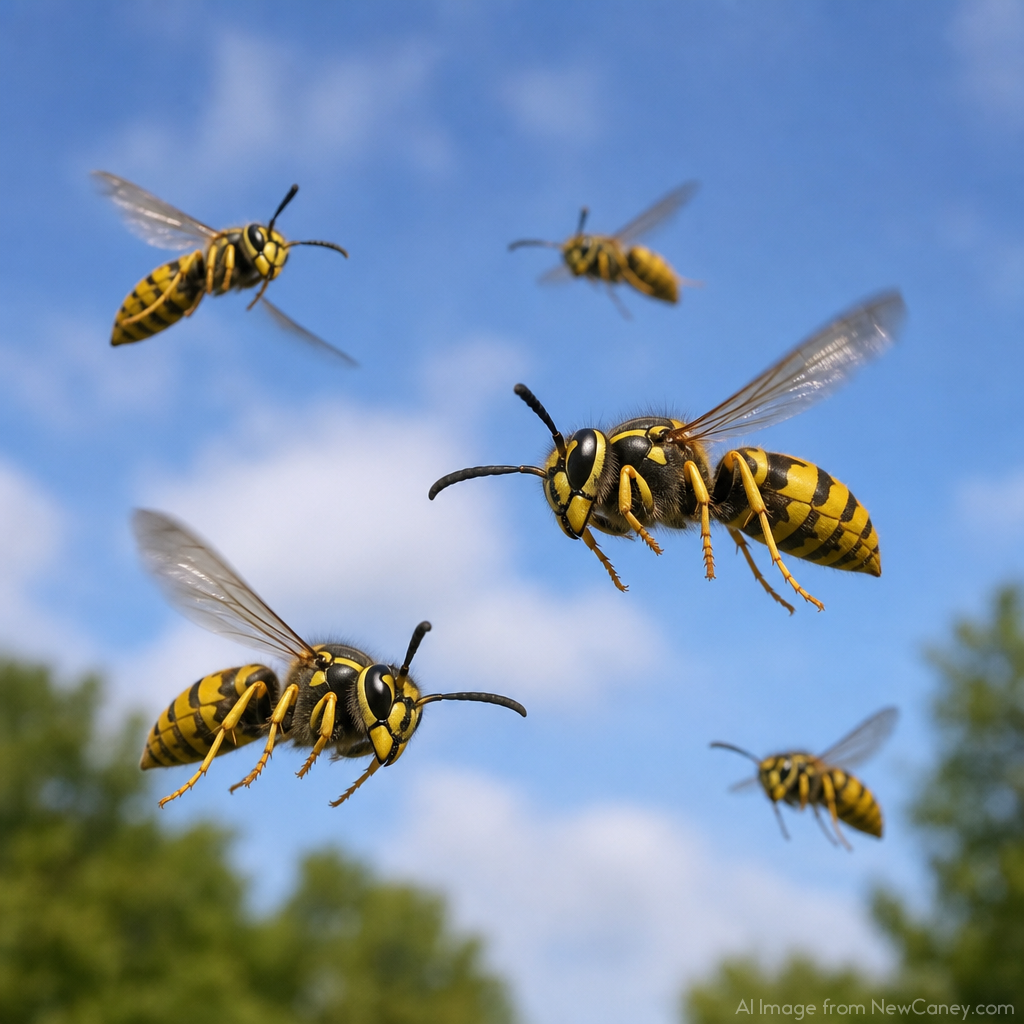


Butterfrei and Cbear reacted My biggest challenge this summer has been dealing with wasps getting in the house. I've checked outside, and there's not any nests on the house. But somehow, they manage to get inside. Yesterday, 2 showed up on the beam of the tall ceiling in the living room. Fortunately, the spray did reach that far. I emptied the can! But I did go get a new can for the next time.
Replies:
Wasps! My biggest challenge this summer has been dealing with wasps getting in the house. I've checked outside, and there's not any nests on the house. But somehow, they manage to get inside. Yesterday, 2 showed up on the beam of the tall ceiling in the living room. Fortunately, the spray did reach that far. I emptied the can! But I did go get a new can for the next time. #msg1957793
@Bloom : We don't see the yellow-and-black variety. Hornets? We are plagued with the black mud-dauber wasps which build their mud huts on the brick walls and under the eaves. They set up like concrete and are almost impossible to remove.
@otto :
These are what I call red wasps. (The AI pic is not accurate.) I am horrified of getting stung by one of them. I was so scared yesterday when there was 2 in the house. What if the spray missed one ??
These are what I call red wasps. (The AI pic is not accurate.) I am horrified of getting stung by one of them. I was so scared yesterday when there was 2 in the house. What if the spray missed one ??
@Bloom : I'm deathly allergic to wasp stings. We keep a Neffy in the house, just in case. Fortunately, we haven't seen any wasps in the house...just outside.
Bloom reacted
@Bloom : It's not the pain, it's the inability to breathe after a sting that's inconvenient.
Butterfrei and Bloom reacted
Bloom : It's not the pain, it's the inability to breathe after a sting that's inconvenient. #msg1957842
I have the same problem!! Thankfully, I just keep finding their little dead bodies, but where in the hey are they coming in from!!!🤯🤯
Bloom reacted
@Bloom :
Hello! They are likely getting in through your bathroom vent fans. I had this issue some time ago after buying a new home. We removed the vent cover and added window screen mesh material (that is used in the windows) to cover the open area and then put the vent cover back on. You can buy a small roll of window screen mesh from Home Depot or Lowe's. Hope this helps!
Bloom reacted Hello! They are likely getting in through your bathroom vent fans. I had this issue some time ago after buying a new home. We removed the vent cover and added window screen mesh material (that is used in the windows) to cover the open area and then put the vent cover back on. You can buy a small roll of window screen mesh from Home Depot or Lowe's. Hope this helps!
@Bloom :
You're welcome! You can also google "wasp coming in home" or "wasp coming through vents" and plenty of YouTube tutorials will come up. Here is some more information: If you see wasps coming through your vents, you likely have a wasp nest inside your ductwork, HVAC system, or bathroom exhaust vent. Vents provide a warm, dark, and protected environment that is highly attractive to queen wasps looking to build a colony.Because wasps are aggressive and can easily swarm into your living space, take immediate action to isolate the area and eliminate the threat. 1. Contain the Inside Area Immediately Seal the interior vent face: Cover the affected vent grill completely with clear plastic wrap or a heavy garbage bag, and seal down all edges using blue painter's tape or duct tape. This safely traps the wasps inside the duct and stops them from entering your living spaces.Keep fans turned off: Leave your central HVAC system or bathroom exhaust fan off. Running the system can stress the wasps, force more into your home, or blow toxic chemicals into your air supply.Do not spray chemicals inside: Avoid spraying standard aerosol wasp killers directly into your indoor vents. The dangerous chemical residue will linger inside your ventilation system and can contaminate your indoor air. 2. Determine the Nest Location (Outside Inspection) Locate the external termination vent: Walk around the outside of your property to find where the specific vent terminates (e.g., a dryer flap, AC exhaust, bathroom vent hood, or furnace pipe).Look for active flight patterns: Watch the exterior vents during midday when wasps are most active. If you see multiple insects flying in and out of a specific hood, you have found the main entry point. 3. Safely Remove the Wasps Hire a professional exterminator (Recommended): If the nest is deep within your central HVAC ductwork, call a licensed pest control specialist. Removing an internal nest often requires dismantling sections of the duct or handling highly concentrated swarms in narrow spaces.The Shop-Vac method (For accessible exhaust vents): If the nest is located right inside a bathroom or kitchen exhaust pipe, some homeowners secure a cardboard box or adapter over the vent, tape a shop-vac hose to it, and suck the wasps out at night when they are less active.Nighttime exterior spraying: If you can see the nest directly through the outside vent opening, wait until nightfall when all the wasps have returned to the nest and are dormant. Wear protective clothing and spray a long-distance flying insect killer straight into the exterior vent flap. 4. Prevent Future Intrusions Install fine mesh screens: Once the nest is completely eradicated, install a dedicated, durable steel or mesh vent screen over all exterior vent terminations. Ensure the mesh size is small enough to block insects but still allows air to circulate freely.Seal perimeter gaps: Walk around the outdoor unit or vent caps and apply an all-weather silicone caulk to seal any small cracks or structural gaps between the vent pipe and your home's siding.
Bloom reacted You're welcome! You can also google "wasp coming in home" or "wasp coming through vents" and plenty of YouTube tutorials will come up. Here is some more information:
« Back to Chat
Views: 120
# Replies: 12